Recipes · Tonic
Homemade Kombucha
Reader ratingsSweet black tea fermented with a SCOBY culture into a tart, lightly fizzy drink, written out with the acidity checks and hygiene steps a first-time brewer needs.
Fermented sweet tea has been brewed at home for generations across East Asia, Russia and Eastern Europe.
Safety
- Kombucha is not suitable for everyone. Public-health and extension guidance advises people with weak immune systems, pregnant women and young children to avoid it, and this site’s kombucha article agrees. It always contains some alcohol, and home brews are unregulated: the kombucha made for a 2023 trial measured 1.5%, three times the 0.5% limit for a drink to be sold as non-alcoholic in the US. Skip it if you avoid alcohol or take medicines that react with it, such as metronidazole or disulfiram.
- Case reports have linked kombucha to serious liver injury and to lactic acidosis. They are rare and their causes are not settled, but they are a reason for caution. Stop drinking it and seek urgent care if you develop severe nausea, yellow skin or eyes, rapid breathing, confusion or a high fever afterward. This site’s own kombucha article suggests a reputable commercial brand over home brew: if you do brew, follow every step.
- Brew and store only in glass. A couple developed lead poisoning that needed chelation therapy after six months of drinking kombucha brewed in a ceramic pot, because the acidic tea leached lead from the glaze.
- Acidity is the safeguard. A pH of 4.2 or lower at the start and at the end of the ferment keeps harmful microbes out. Discard the batch if the pH stays above 4.2 after 14 days, if you see mold or if it smells rotten or like nail-polish remover.
- Keep it to about 1 cup a day at most. The drink still contains some sugar, so count it if you manage diabetes. One small pilot saw lower fasting glucose, while a trial in healthy adults saw fasting insulin rise from baseline, so ask your clinician if you take insulin or diabetes medicines. It is also acidic, so rinse your mouth with water afterward.
- Fermented drinks often trigger flushing, headaches or hives in people with histamine intolerance. Kombucha also contains some caffeine from the tea.
Why it’s good for you
A tart, lightly fizzy tea drink in which the culture has consumed much of the added sugar, though what remains still counts.
Evidence
Limited evidence
Mostly small, early, or laboratory studies.
A 2019 systematic review found only one human study of kombucha. Since then, a 2023 crossover pilot of 12 adults with type 2 diabetes found fasting blood glucose after 4 weeks of 240 mL a day was lower than at baseline (164 vs 116 mg/dL) while the placebo drink’s change was not significant (162 vs 141), and a 2024 manufacturer-funded trial of 24 healthy adults drinking 16 oz a day of a commercial kombucha with added probiotic strains found modest gut microbiome shifts and no clear change in blood markers across the group, although fasting insulin rose from baseline in the kombucha group. Both trials were tiny and tested a single product; home brews vary widely, and case reports tie kombucha to liver injury and lactic acidosis.
General information from research and traditional use — not medical advice, and not a treatment for any condition. If you are pregnant, nursing, taking medication or managing a health condition, check with your clinician first, and seek care for symptoms that are severe or do not improve.
Ingredients
Instructions
- Wash your hands, then wash a 1-gallon (or at least 3-quart) wide-mouth glass jar in hot, soapy water and rinse it several times until no soap remains. The batch is about 8 cups with the starter, so a smaller jar would overflow. Do not use glazed pottery, crystal or metal containers: kombucha is acidic enough to pull lead and other metals out of them.
- Bring 3 cups of the water to a boil, turn off the heat, add the tea, and steep for 5 minutes. Remove the tea, then stir in the sugar until it dissolves completely.
- Pour in the 4 cups of cold water, then let the tea cool until it has dropped below 85°F (29°C), which can take an hour or more. Do not go further until it has, because hot tea kills the culture.
- Pour the sweet tea into the jar, then add the starter liquid. Dip a pH strip into the mixture: it should read 4.2 or lower. If it is higher, stir in another 1/4 cup of starter.
- Slide the SCOBY onto the surface with clean hands (it may sink or float). Cover the jar with a tightly woven cloth or coffee filter held by a rubber band to keep out fruit flies, and leave it at 70 to 78°F (21 to 26°C), out of direct sun and undisturbed.
- Start tasting after 7 days with a clean spoon or straw. Ferment for 7 to 14 days, until it is pleasantly tart and no longer syrupy, with a pH of 4.2 or lower. Brown strings and a cloudy base are normal; fuzzy mold on the surface is not, so discard the whole batch, SCOBY included, if you see any.
- Lift the SCOBY out with clean hands and set it in a clean jar with 1 cup of the finished kombucha, ready for your next batch. Pour the rest into clean glass bottles, cap them, and refrigerate. Drink within 2 to 4 weeks.
Tips
- Start with a small glass, about 1/2 cup. The diabetes pilot used 1 cup (240 mL) a day, and there is no evidence that more is better.
- Flavor it in the glass: a splash of juice or a slice of ginger when serving. Adding sugar or fruit to the bottled drink can restart fermentation, shift the acidity and build pressure, so skip the second fermentation.
- Warmth speeds the ferment and makes it more vinegary. In a cool room it can take two weeks, so taste daily from day 7 rather than trusting the calendar.
- Finished kombucha keeps fermenting slowly in the refrigerator, so open bottles slowly over the sink: they can foam and build pressure.
Reader ratings & reviews
– out of 5
Loading ratings…
Rating breakdown
- 5 stars 0
- 4 stars 0
- 3 stars 0
- 2 stars 0
- 1 star 0
Made this? Please rate it.
Check your email
We sent a sign-in link to . Click it and you’ll come straight back here, signed in. It expires in 15 minutes; check your spam folder if it doesn’t show up. Thank you for helping the community!
Your review
Reviews are personal experiences. Every review is read by our team before it appears.
More tonics, teas & broths
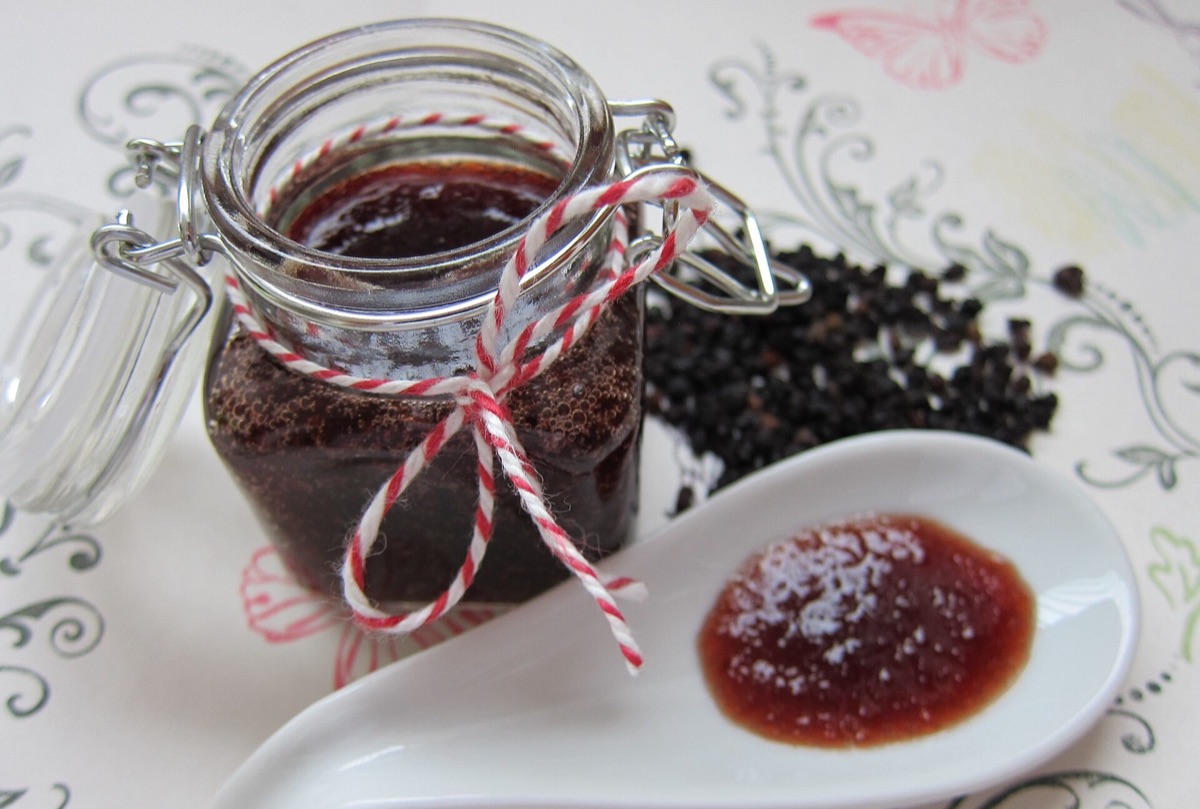
Elderberry Syrup
A dark, tangy-sweet syrup simmered from dried black elderberries, ginger and warm spices, then sweetened with honey. A cold-season pantry staple.
Moderate evidence
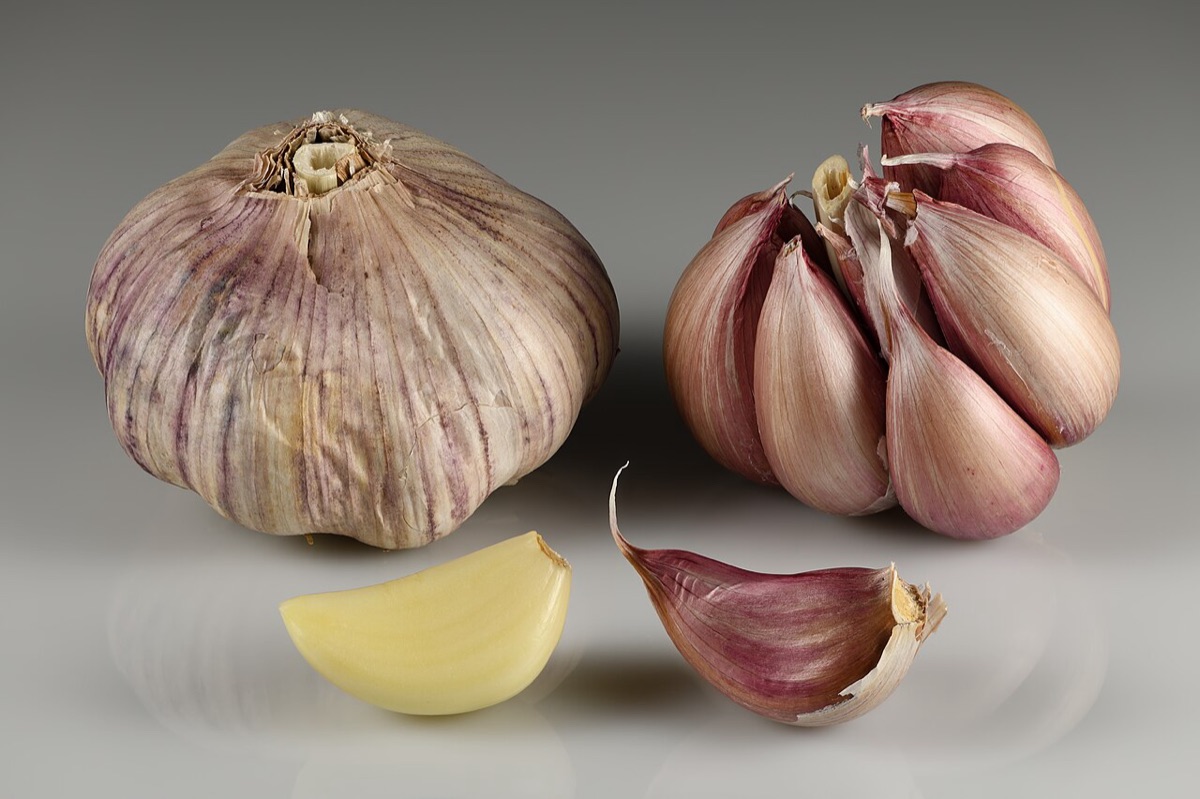
Fire Cider
A fiery four-week infusion of raw apple cider vinegar with horseradish, ginger, garlic, onion and chili, softened with honey and taken by the spoonful.
Traditional use
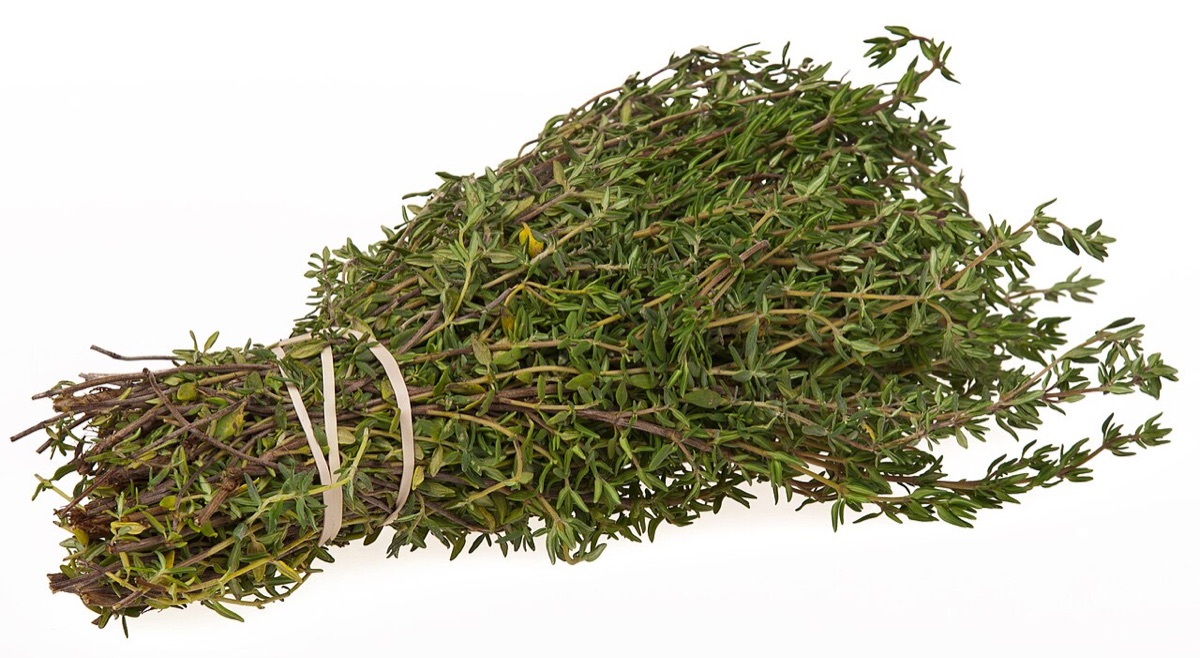
Thyme Honey Cough Syrup
Fresh thyme steeped into a fragrant infusion and stirred into honey with a little lemon: an old-fashioned spoonful for a tickly evening cough.
Moderate evidence
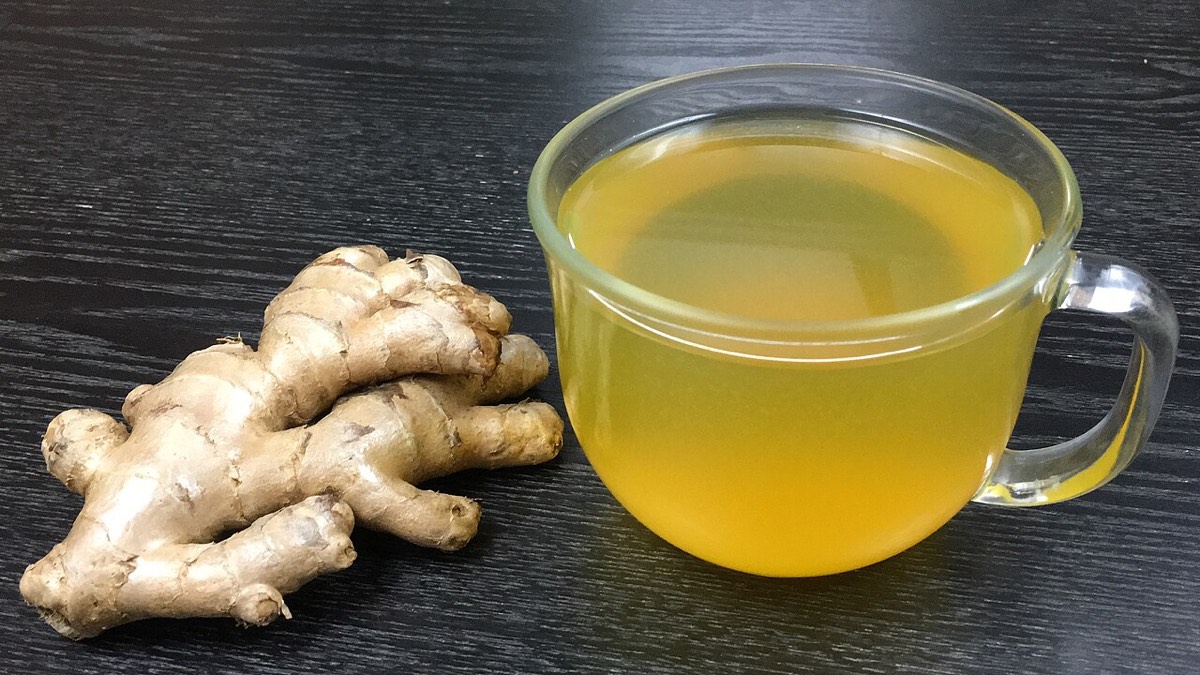
Ginger, Lemon and Honey Tea
Fresh ginger simmered into a fragrant tea and finished with lemon and a spoonful of honey. The classic warm mug for scratchy-throat evenings and queasy mornings.
Moderate evidence
Have a recipe of your own? Share it with us. We read every one before it goes on the site.