
Recipes · Tonic
Spiced Masala Chai
Reader ratingsStrong black tea simmered with fresh ginger, cardamom, cinnamon, cloves and black pepper, then finished with milk: the whole-spice way to make India’s everyday cup.
Spiced milk tea is an everyday ritual across India and South Asia, built on the region’s long tradition of warming spice drinks.
Safety
- A mug of strong simmered chai holds roughly 50 to 100 mg of caffeine, depending on the tea. If you are sensitive to caffeine, are pregnant or breastfeeding (the usual guidance is to stay under about 200 mg of caffeine a day), have a heart rhythm problem, or take a medicine that slows caffeine clearance (for example ciprofloxacin, fluvoxamine or theophylline), keep to a mug or two and avoid it in the six hours before bed. For children, make the rooibos version instead.
- The tannins in black tea reduce how much iron you absorb from plant foods. If your iron is low, drink chai between meals rather than with them.
- The common cassia type of cinnamon is high in coumarin, which can strain the liver in large daily amounts. Choose Ceylon cinnamon if you drink chai every day.
- Ginger and cardamom in food amounts are fine for most people. If you take warfarin or another blood thinner, ask your clinician before making chai a daily habit.
- Never give honey to babies under 12 months, because of the risk of infant botulism. Hot milk boils over and scalds easily: keep the pan handle turned in and mugs out of small children’s reach.
Why it’s good for you
Whole spices give this cup its full aroma, so it needs little or no sweetener, and black tea adds flavonoids and a moderate lift of caffeine.
Evidence
Limited evidence
Mostly small, early, or laboratory studies.
A 2014 meta-analysis of 11 trials (378 adults drinking 4 to 5 cups of black tea a day for at least a week) found blood pressure fell by about 1.8 mmHg systolic and 1.3 mmHg diastolic, a small drop that could matter across a population. In a 4-week crossover trial of 17 young adults, black tea improved blood-vessel dilation compared with hot water, while the same tea with milk reduced it and raised blood pressure slightly, so the milk in classic chai may blunt the benefit. A 2024 meta-analysis of 8 trials found cardamom gave statistically significant but tiny drops in blood pressure (about 0.5 mmHg systolic and 1 mmHg diastolic) and in some inflammatory markers, with too few trials to be sure; nobody has tested chai itself.
General information from research and traditional use — not medical advice, and not a treatment for any condition. If you are pregnant, nursing, taking medication or managing a health condition, check with your clinician first, and seek care for symptoms that are severe or do not improve.
Ingredients
Instructions
- Crack the cardamom pods, cloves and peppercorns lightly with the flat of a knife or in a mortar, just enough to split them open.
- Put the water, ginger, cinnamon stick and cracked spices in a small saucepan. Bring to a boil, lower the heat, cover, and simmer for 5 minutes so the spices flavor the water before the tea goes in.
- Add the black tea and simmer, uncovered, for 2 minutes. Any longer and the tea turns bitter and astringent.
- Pour in the milk and warm it until it climbs near the rim of the pan, then lower the heat at once so it does not boil over. Simmer very gently for 2 more minutes, or longer for a stronger cup.
- Strain through a fine sieve into two mugs, pressing the spices lightly to get every drop.
- Let the chai cool for a minute, then stir in the honey, if using, and taste.
Tips
- For a jar of chai spice, grind 2 tbsp cardamom seeds with 1 tbsp ground ginger, 1 tbsp ground cinnamon, 1 tsp ground cloves and 1 tsp black pepper. Use 3/4 tsp per mug in place of the whole spices. Fresh ginger still tastes best.
- For a caffeine-free cup, use 2 tbsp rooibos instead of black tea and simmer it for 5 minutes.
- Chai keeps for 2 days in the refrigerator. Reheat it gently and do not boil it again.
- Cut the honey if you can. With this much spice, many people find a cup sweet enough without it.
Reader ratings & reviews
– out of 5
Loading ratings…
Rating breakdown
- 5 stars 0
- 4 stars 0
- 3 stars 0
- 2 stars 0
- 1 star 0
Made this? Please rate it.
Check your email
We sent a sign-in link to . Click it and you’ll come straight back here, signed in. It expires in 15 minutes; check your spam folder if it doesn’t show up. Thank you for helping the community!
Your review
Reviews are personal experiences. Every review is read by our team before it appears.
More tonics, teas & broths
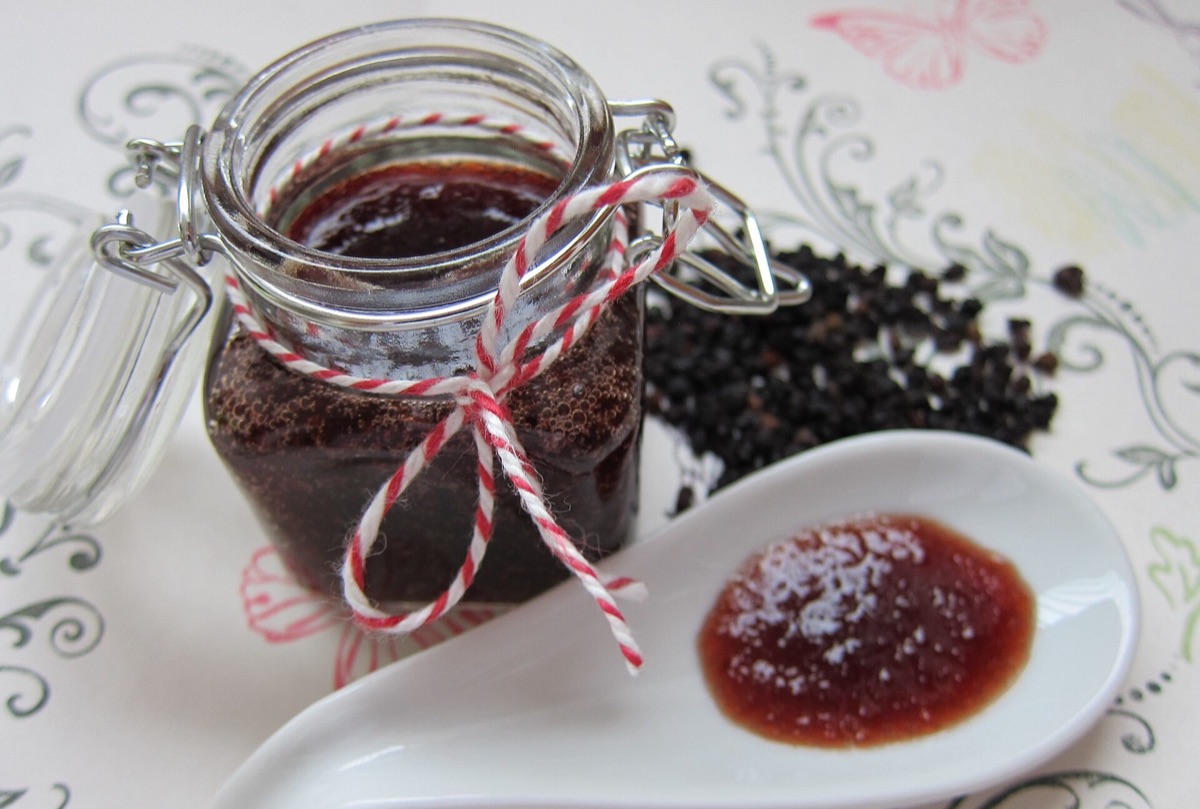
Elderberry Syrup
A dark, tangy-sweet syrup simmered from dried black elderberries, ginger and warm spices, then sweetened with honey. A cold-season pantry staple.
Moderate evidence
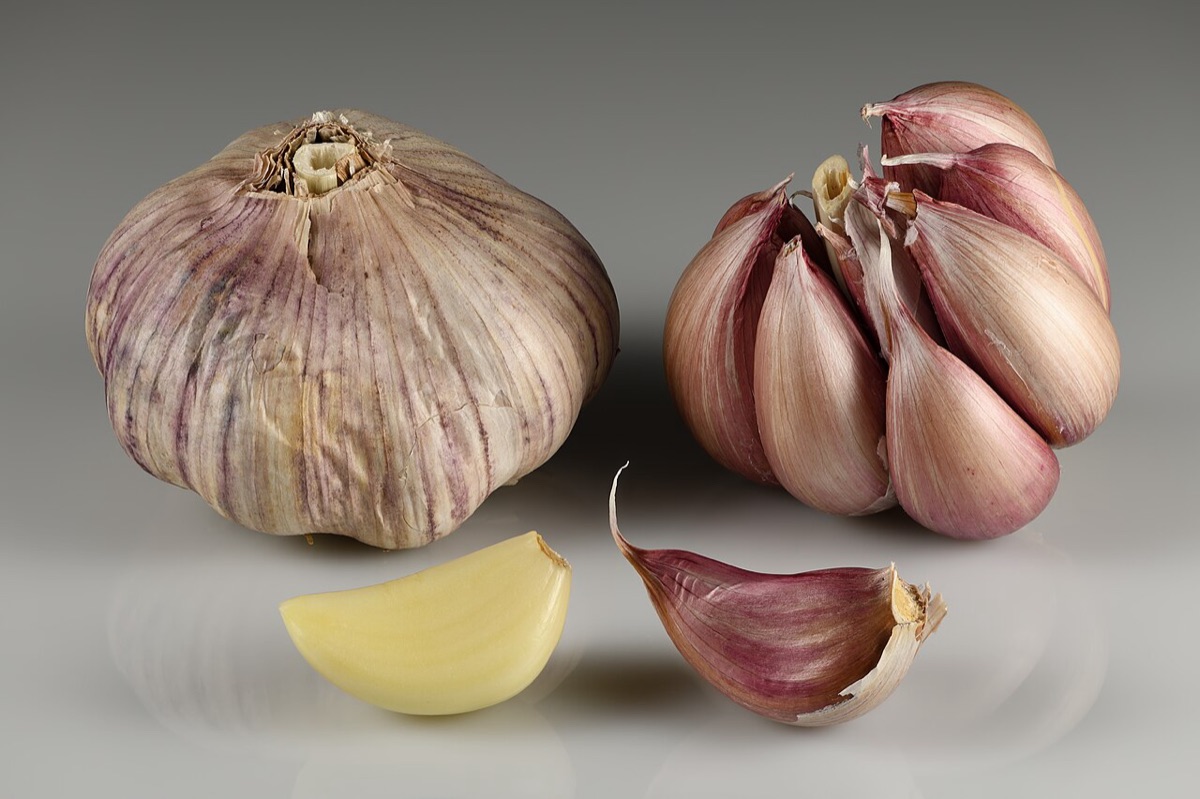
Fire Cider
A fiery four-week infusion of raw apple cider vinegar with horseradish, ginger, garlic, onion and chili, softened with honey and taken by the spoonful.
Traditional use
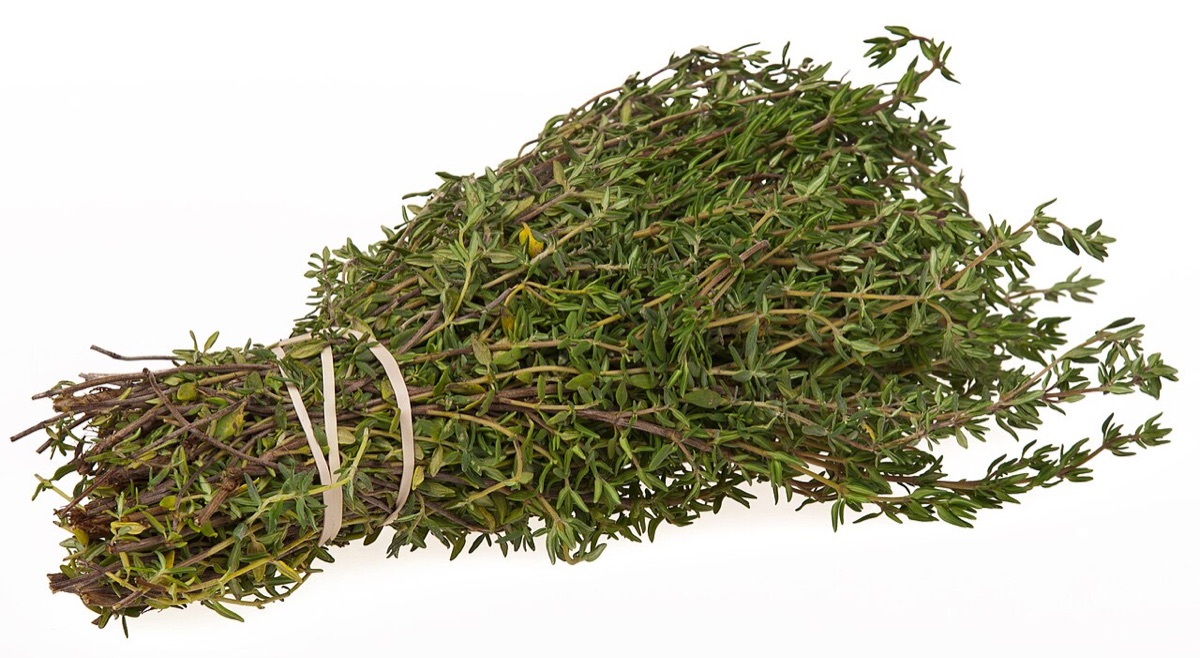
Thyme Honey Cough Syrup
Fresh thyme steeped into a fragrant infusion and stirred into honey with a little lemon: an old-fashioned spoonful for a tickly evening cough.
Moderate evidence
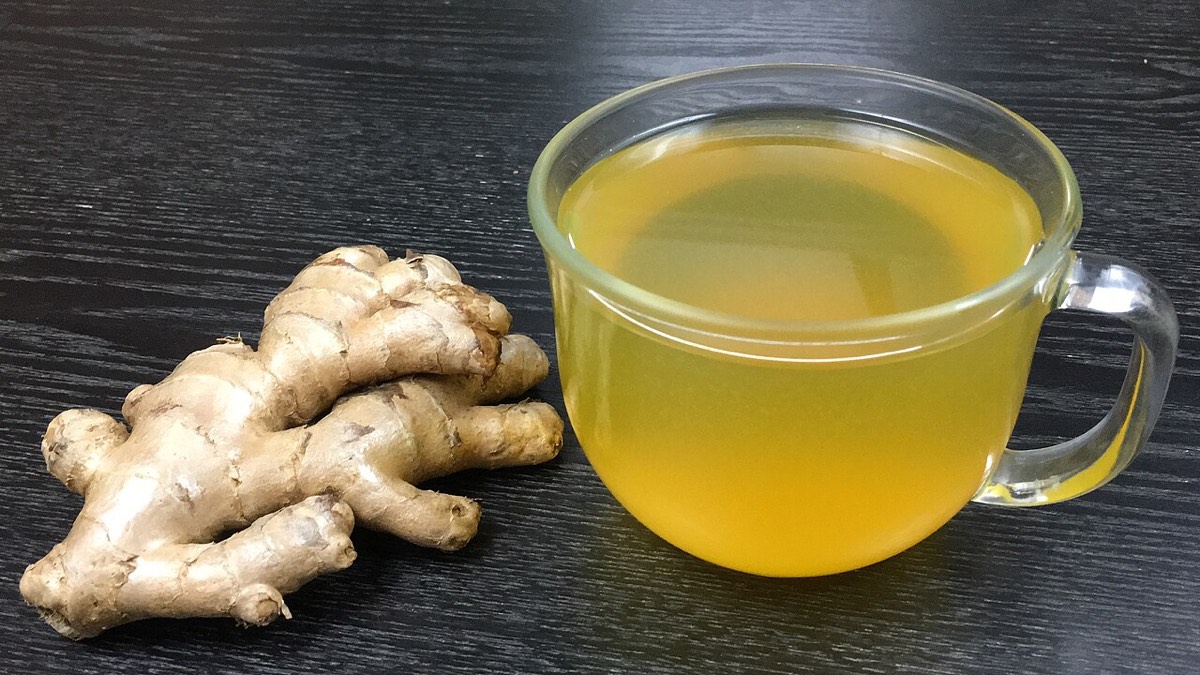
Ginger, Lemon and Honey Tea
Fresh ginger simmered into a fragrant tea and finished with lemon and a spoonful of honey. The classic warm mug for scratchy-throat evenings and queasy mornings.
Moderate evidence
Have a recipe of your own? Share it with us. We read every one before it goes on the site.