Air purifiers
Portable filters that take fine particles out of indoor air without adding anything to it.
What we look for
We look for
- True HEPA: the maker states “True HEPA” (99.97% of 0.3 µm particles) or EN 1822 class H13 or better, ideally with a test report that names the lab and covers the assembled filter.
- No ozone: mechanical filtration only, with the model on CARB’s certified list as a mechanical (not electronic) air cleaner. No ionizer, plasma, UV or photocatalytic stage.
- Right size: a smoke CADR of at least two-thirds of the room’s floor area in square feet, ideally in AHAM’s Verifide directory.
- Carbon for gases: a real carbon filter if you want odors or VOCs reduced. A thin carbon pre-filter does very little.
- Running cost and noise: a published filter price and change interval, and decibels you can live with overnight.
We avoid
- Ionizers, “plasma”, hydroxyl and other ozone-producing “air sanitizers”.
- “HEPA-type”, “HEPA-like” or “HEPA-style” wording, which has no defined meaning.
- Coverage claims counted over 30 minutes, or at one air change an hour, instead of a certified CADR.
- Units whose replacement filters you cannot price before you buy.
Read the research
Know one that fits? Suggest a product
8 products · best rated first
-
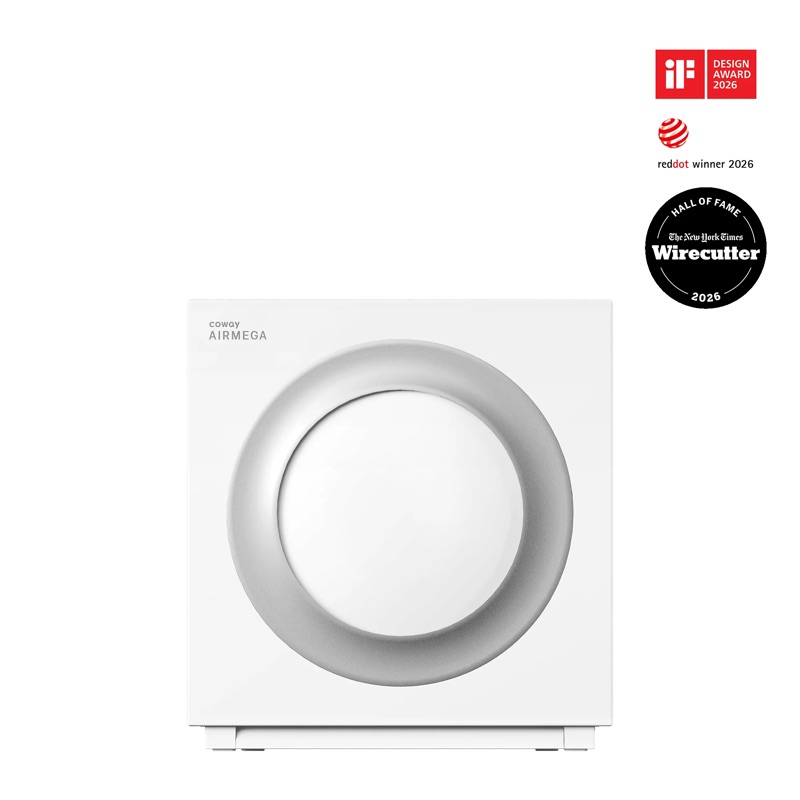 Coway
Coway Airmega Mighty2 Air Purifier (AP-1512N)
The successor to the popular Mighty: filter-only, listed by CARB as mechanical, with a published smoke CADR of 240. The CADR and the HEPA test are Coway’s own claims; AHAM’s directory has no Coway entry. Listed by CARB as a mechanical air cleaner (AP-1512N) -
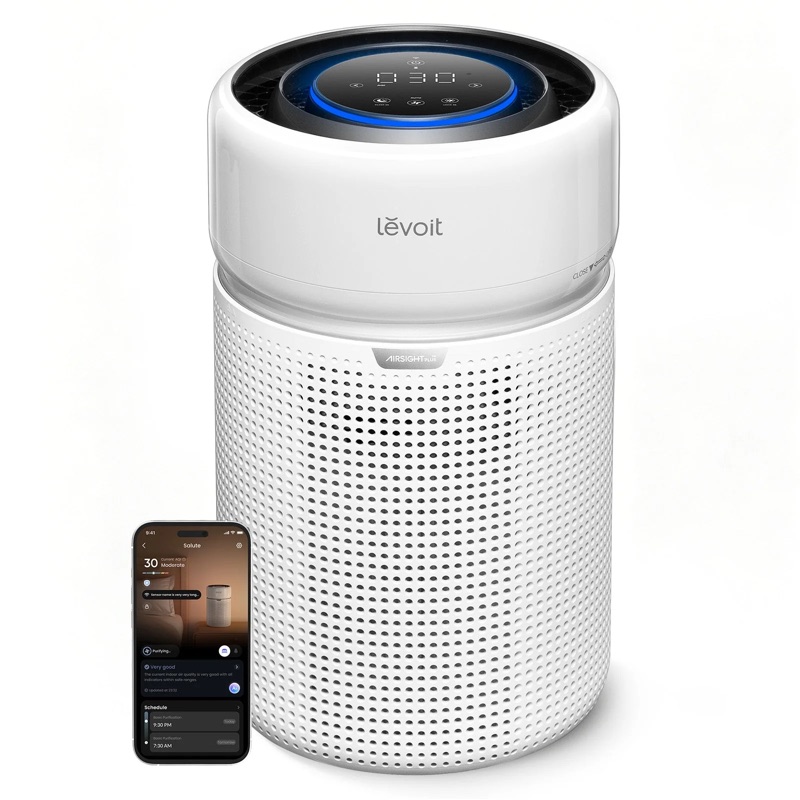 Levoit
 Eleva 300X Air Purifier
A budget, filter-only purifier that CARB lists as mechanical and AHAM lists at a smoke CADR of 161. The HEPA test behind its 99.97% claim is not named, and Levoit is settling a HEPA lawsuit over older models. Listed by CARB as a mechanical air cleaner (LAP-C341S-WUSZ) · AHAM Verifide CADR listing (smoke 161) -
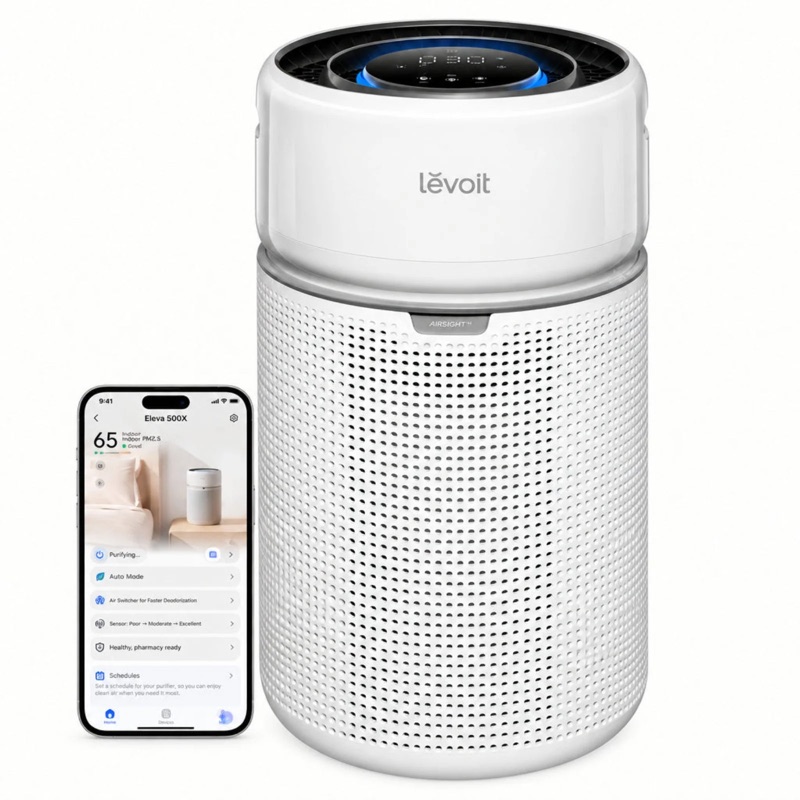 Levoit
 Eleva 500X Air Purifier
A filter-only purifier with an AHAM smoke CADR of 301 and a CARB mechanical listing, at about $0.86 per CFM. Its HEPA test is not named, it is brand new, and Levoit’s maker is settling a HEPA lawsuit over older models. Listed by CARB as a mechanical air cleaner (LAP-C511S-WUS) · AHAM Verifide CADR listing (smoke 301) -
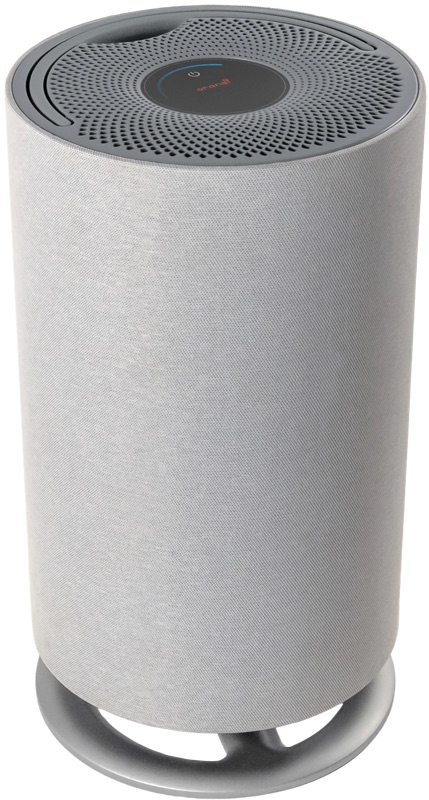 Oransi
 Mod+ Air Purifier
A HEPA and carbon purifier for large rooms, with an AHAM smoke CADR of 363 and a CARB mechanical listing. It costs about twice the Levoit Eleva per unit of clean air, and its HEPA lab is not named. Listed by CARB as a mechanical air cleaner (MD02) · AHAM Verifide CADR listing (smoke 363) -
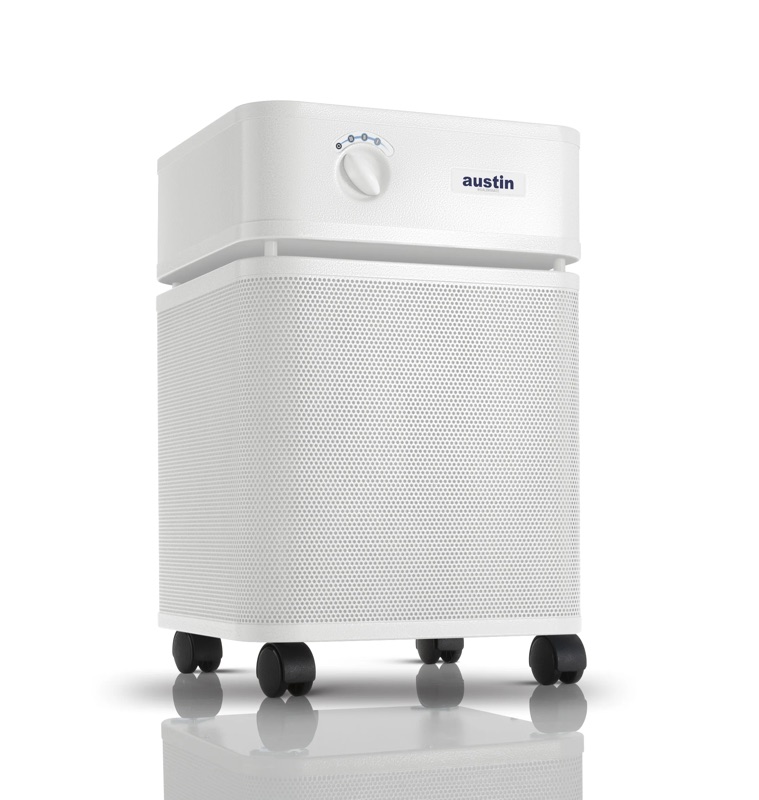 Austin Air
 HealthMate (B400)
A steel purifier with a very large carbon and HEPA filter rated for five years, listed by CARB as mechanical. Austin Air publishes no CADR, airflow or noise figure, so we cannot check its room rating. About $845. Listed by CARB as a mechanical air cleaner (HealthMate HEPA Plus, HM400) -
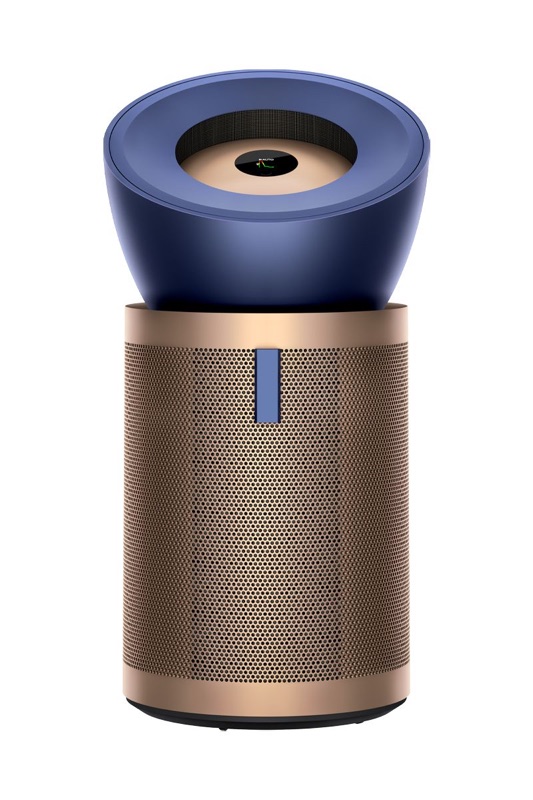 Dyson
Dyson Purifier Big+Quiet Formaldehyde BP04
Dyson’s largest purifier: CARB lists it as mechanical and Dyson calls it fully sealed. Dyson publishes no CADR, room rating or noise figure, and its two filter lives disagree. We are asking for a CADR and test reports. About $1,200. Listed by CARB as a mechanical air cleaner (BP04 YY and BP04 ZZ) -
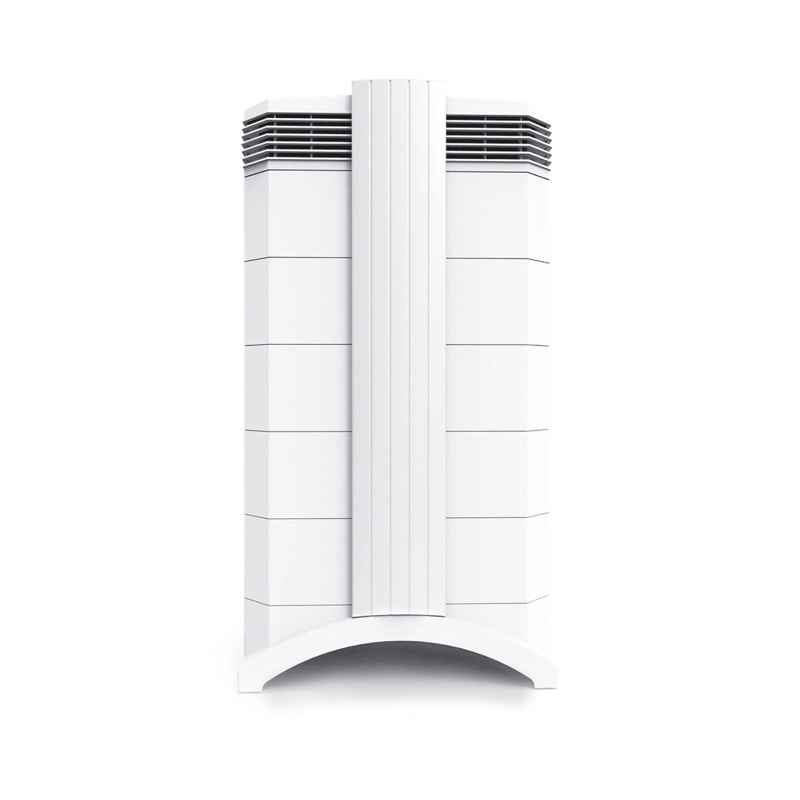 IQAir
IQAir HealthPro Plus XE Air Purifier
A Swiss-made HEPA and carbon purifier that CARB lists as mechanical, with filter prices and noise by speed published. It gives airflow, not a CADR, so we cannot check its room rating, and it costs about $1,200. Listed by CARB as a mechanical air cleaner (HealthPro Plus XE) -
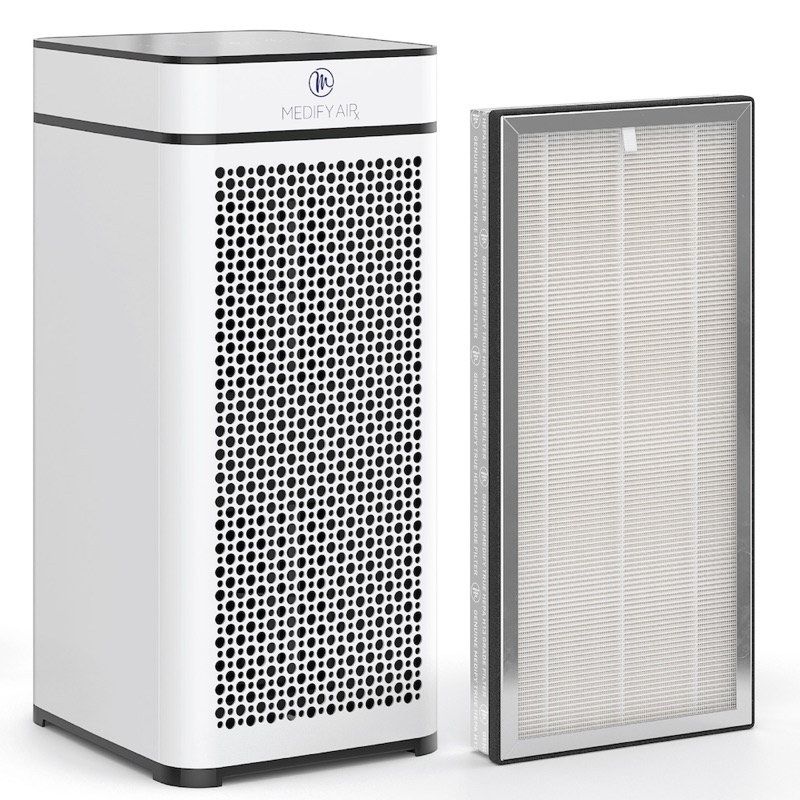 Medify Air
Medify MA-40 Air Purifier
A True HEPA (H13) purifier with a lab report on its filter, an AHAM-listed room rating and a CARB mechanical listing for its V3.0 and V4.0 versions. Medify’s page does not say which version it sells. CARB-listed mechanical air cleaner (V3.0 and V4.0) · AHAM Verifide CADR listing